A chemical peel uses an acid solution to remove the outer layers of skin, so fresher, smoother skin can come through. Peels range from gentle “lunchtime” treatments to strong medical procedures, so knowing which type you’re booking matters.
What is a chemical peel?
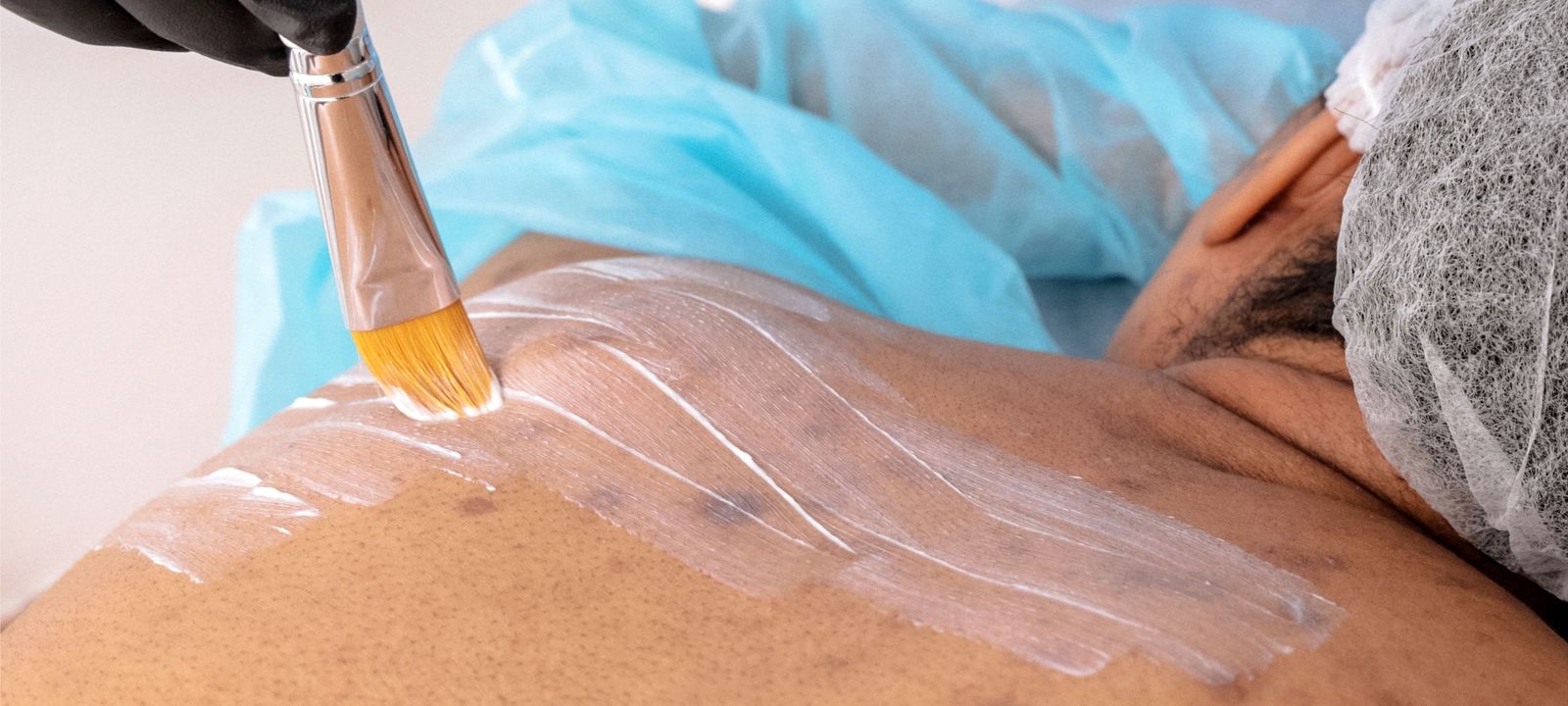
A practitioner applies an acid to cleansed skin for a set time, then neutralises or removes it. The acid breaks the bonds holding dead skin cells together. Over the following days the skin sheds, and the skin underneath looks more even and refined.
Types of chemical peel
- Superficial (light) peels use milder acids such as glycolic, lactic, mandelic or salicylic acid. They work on the very top layer of skin and are the type you’ll find in most salons.
- Medium peels usually use trichloroacetic acid (TCA) and reach deeper. They can help with more stubborn pigmentation, fine lines and some scarring, but involve real peeling and should be done by a medically trained practitioner.
- Deep peels, such as phenol peels, are strong medical procedures carried out by doctors, sometimes with sedation. They are rarely offered and have a long recovery.
What can peels help with?
- Dull, uneven or rough skin
- Mild acne and congestion (salicylic acid peels are often used for oily skin)
- Sun damage and some types of pigmentation
- Fine lines
- Shallow acne scarring (usually with medium-depth peels)
Does it hurt?
Light peels usually tingle, sting or feel warm for a few minutes. Medium peels can feel hot and uncomfortable, and your practitioner may use a cooling fan.
Downtime and aftercare
After a light peel your skin may be a little pink and then flake slightly for two or three days, though some people see no visible peeling at all. Medium peels cause redness, tightness and noticeable peeling for one to two weeks.
Whatever the strength, don’t pick or pull at peeling skin, use a gentle cleanser and moisturiser, and wear a broad-spectrum SPF 30 or higher every day. Avoid retinoids, scrubs and other acids until your practitioner says it’s fine.
Risks and who should take care
Possible side effects include prolonged redness, cold sore flare-ups, infection and, if a peel is too strong or aftercare is poor, burns or scarring. People with darker skin tones have a higher risk of post-inflammatory hyperpigmentation, where the skin darkens after irritation, so choose a practitioner experienced with your skin type who may prepare your skin first.
Peels aren’t suitable if you have sunburn, broken skin or an active infection, or have taken isotretinoin in the last six months. Mention pregnancy, as some acids are avoided.
How much do chemical peels cost in the UK?
Light salon peels typically cost £60 to £150 per session, with courses often discounted. Medium-depth peels at aesthetic or medical clinics usually start at around £200 to £500. Deep peels cost considerably more and are usually priced after a consultation.
Find a chemical peel near you
Light peels are offered by many facial specialists, while medium peels are usually found at aesthetic clinics. Browse both in your area.
Frequently asked questions
Will my face peel after a chemical peel?
Not always. Light peels often cause only slight flaking, or none you can see. Medium peels cause obvious peeling for about a week.
How many chemical peels do I need?
For light peels, a course of three to six sessions two to four weeks apart is common. Medium peels are usually one-off treatments repeated only after several months.
Can chemical peels remove acne scars?
Light peels can soften marks and redness left by spots. Deeper, pitted scars usually need medium peels, microneedling or laser treatment, often in combination.
Are chemical peels safe for dark skin?
They can be, with the right peel and an experienced practitioner. Gentler acids such as mandelic or lactic acid, careful skin preparation and strict sun protection lower the risk of dark patches.
Can I wear make-up after a peel?
After a light peel most people wait 24 hours. After a medium peel, wait until the skin has finished peeling and your practitioner says it is safe.
When is the best time of year for a chemical peel?
Autumn and winter are popular because there is less strong sun, which makes it easier to protect healing skin. You still need SPF every day whatever the season.
This guide is general information to help you understand the treatment and ask the right questions. It isn’t medical advice. Prices are typical UK ranges in 2026 and vary by clinic, area and the product used. If you have a skin condition, are pregnant or take regular medication, speak to your GP or a qualified practitioner first.