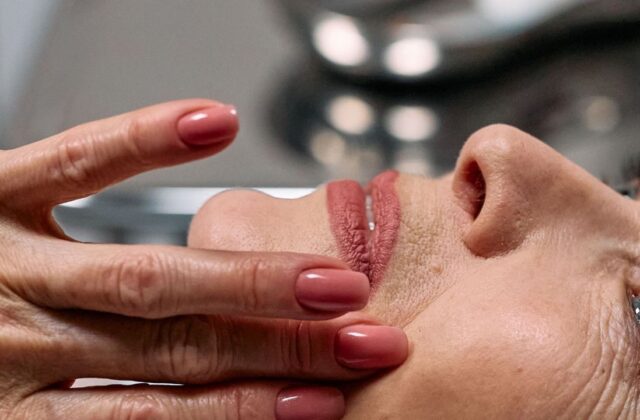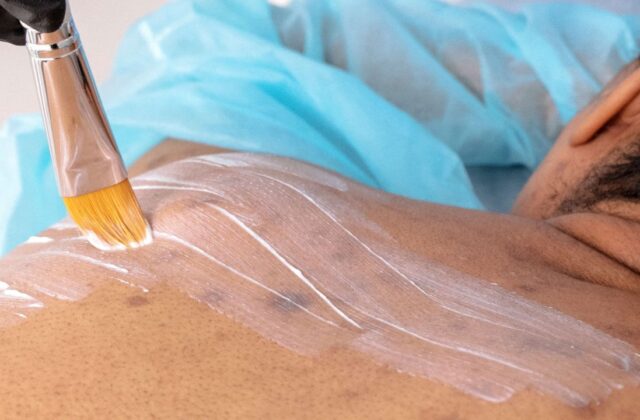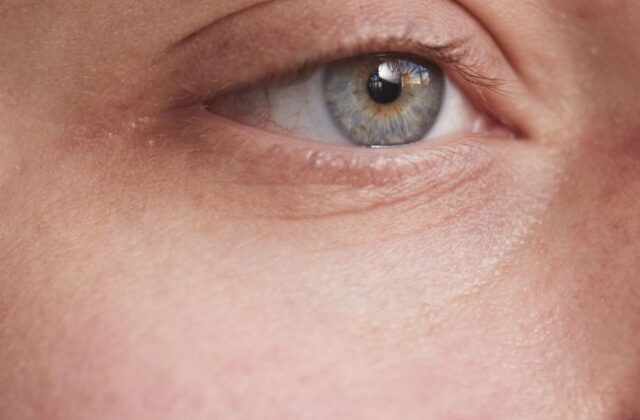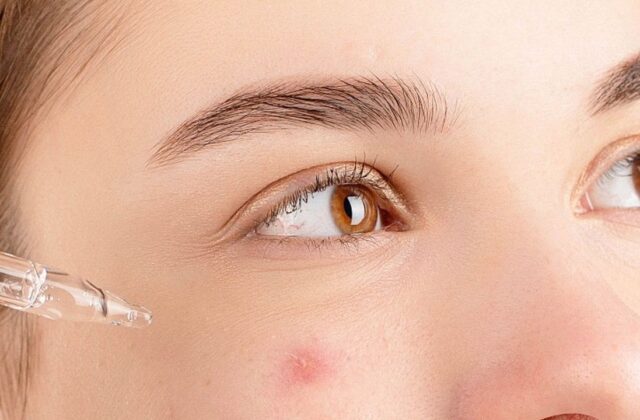
Skin boosters are injectable treatments that improve hydration, firmness and glow rather than adding shape. Think of them as deep hydration for the skin, rather than a way to change your features.
What are skin boosters?
Most skin boosters are made from hyaluronic acid, like fillers, but in a much more fluid form. Instead of creating volume, they spread through the skin to attract and hold water, improving moisture, elasticity and overall skin quality. Profhilo is the best-known example. Other “regenerative” injectables, such as polynucleotides, are also sometimes grouped under this heading.
What can skin boosters help with?
- Dry, dehydrated or crepey skin
- Loss of firmness and early laxity
- Fine lines and a tired, dull complexion
- Skin quality on the neck, décolletage and hands, not just the face
They won’t lift sagging skin dramatically or replace lost volume in the cheeks. That’s where fillers or energy-based tightening treatments come in.
How is it done?
After cleansing, the practitioner makes a series of small injections at set points across the face or treatment area. Some products are placed using a cannula. Small raised bumps appear at each point and usually settle within a few hours to a day.
Does it hurt?
Most people feel a quick sting with each injection. Numbing cream can help, and some products contain a local anaesthetic.
Recovery and aftercare
Expect small bumps, mild redness and occasionally bruising. Avoid make-up for around 12 hours, and skip alcohol, intense exercise, saunas and facials for 24 to 48 hours. Results usually build over a few weeks after the second session.
Risks
Side effects are usually mild and short-lived: swelling, bruising, tenderness and visible bumps. Infection and allergic reactions are uncommon. As with any injectable, choose a medically trained practitioner who uses genuine, traceable products and can manage complications.
How much do skin boosters cost in the UK?
A single session usually costs £200 to £450, depending on the product and clinic. Because most protocols involve two sessions a month apart, a full course is often £400 to £850, followed by maintenance every six months or so.
Find skin booster treatments near you
Skin boosters are offered at aesthetic clinics. Browse practitioners near you and book a consultation to see whether they suit your skin.
Frequently asked questions
What is the difference between skin boosters and fillers?
Fillers add volume and shape to specific areas. Skin boosters spread through the skin to improve hydration and quality without changing your features.
Is Profhilo a skin booster?
Yes. Profhilo is one of the best-known hyaluronic acid skin boosters. It is usually given as two treatments four weeks apart.
How long do skin booster results last?
Results typically last around six months, so many people book a maintenance session once or twice a year.
When will I see results?
Skin often feels more hydrated within a couple of weeks, with the full effect showing about four weeks after the second session.
Can I have skin boosters with other treatments?
Yes, they are often combined with fillers, microneedling or other treatments as part of a plan. Your practitioner will advise on timing.
Are skin boosters suitable for men?
Yes. They are used for dehydration, fine lines and skin quality on all skin types and genders.
This guide is general information to help you understand the treatment and ask the right questions. It isn’t medical advice. Prices are typical UK ranges in 2026 and vary by clinic, area and the product used. If you have a skin condition, are pregnant or take regular medication, speak to your GP or a qualified practitioner first.