Dermal fillers are gel injections that add volume, shape and structure. Most fillers used in the UK are made from hyaluronic acid, a substance found naturally in the skin, and can be dissolved if needed.
What are dermal fillers?
Fillers are injected under the skin to restore lost volume, smooth folds or change shape. Hyaluronic acid (HA) fillers come in different thicknesses: softer gels for lips and fine areas, firmer ones for cheeks, chin and jawline. Over time the body breaks the filler down naturally.
Popular treatment areas
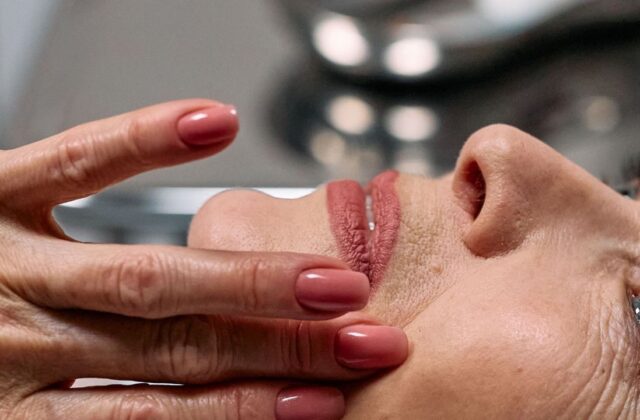
- Lips: adding volume, definition or balance
- Cheeks: restoring lift and contour
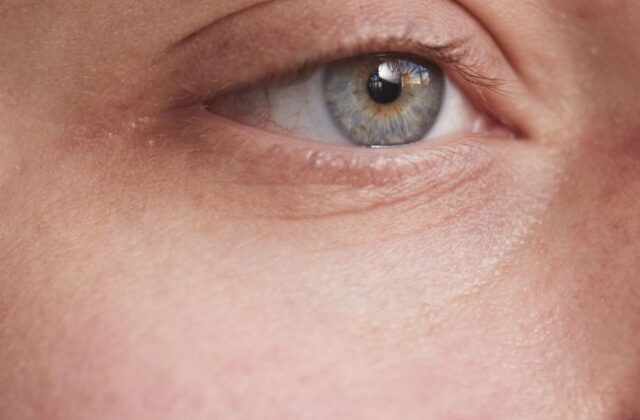
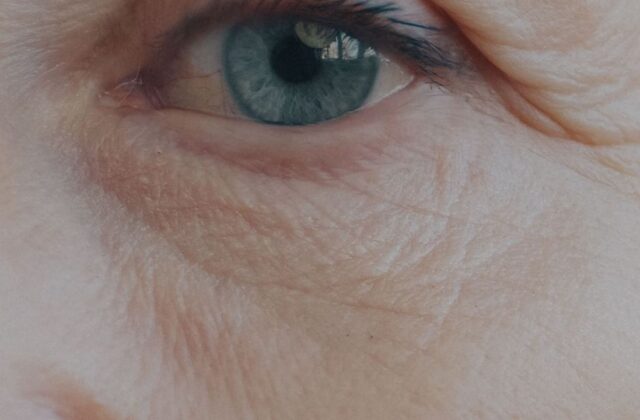
- Tear troughs: softening hollows under the eyes (a delicate area that needs an experienced injector)
- Jawline and chin: defining and balancing the lower face
- Nose-to-mouth lines: softening deeper folds
- Non-surgical nose reshaping: smoothing bumps (a higher-risk area)
The law and regulation
Since 2021 it has been illegal to give dermal fillers to anyone under 18 in England for cosmetic reasons. Fillers are not prescription medicines in the UK, which means anyone can currently buy and inject them. The government plans to introduce a licensing scheme for non-surgical cosmetic treatments in England, but until it arrives, it’s up to you to check who is treating you.
Before you book, ask: What are your medical qualifications? Are you on a register such as the JCCP or Save Face? Which filler brand will you use? Do you keep hyaluronidase (the dissolving enzyme) on site, and what happens if something goes wrong?
Does it hurt?
Many fillers contain a local anaesthetic, and numbing cream is often used too. Most people feel pressure and a sharp scratch. Lips are usually the most sensitive area.
Recovery and aftercare
Swelling, tenderness and bruising are common for a few days, especially in the lips. Avoid alcohol, intense exercise, saunas and facials for 24 to 48 hours, and don’t massage the area unless told to. The final result is usually visible after about two weeks, once swelling settles.
Risks
Common side effects are swelling, bruising, redness and small lumps. Less common problems include infection, filler moving out of place and a bluish tint under thin skin. The most serious risk is vascular occlusion, where filler blocks a blood vessel. It’s rare but needs urgent treatment, as it can damage skin and, very rarely, affect eyesight.
Seek help straight away if you notice severe or increasing pain, skin turning white, blue or mottled, or any change in vision after treatment.
How much do dermal fillers cost in the UK?
Prices are usually quoted per syringe (typically 1ml). Lip filler often costs £150 to £350. Cheeks, jawline and chin can need more product, so treatments often cost £300 to £800 or more. Very cheap offers can be a red flag for unbranded products or untrained injectors.
Find an aesthetics clinic near you
Browse local aesthetic clinics and practitioners, then book a consultation. A good practitioner will assess you first and won’t pressure you into treatment on the day.
Frequently asked questions
How long do dermal fillers last?
Most hyaluronic acid fillers last six to eighteen months. Lip filler tends to fade faster, often around six months, while cheek and chin fillers can last a year or more.
Can dermal fillers be reversed?
Hyaluronic acid fillers can usually be dissolved with an enzyme called hyaluronidase, given by a qualified practitioner. Non-hyaluronic fillers cannot be dissolved in the same way.
Is it legal to have fillers under 18?
No. In England it is illegal to give cosmetic dermal fillers to anyone under 18, even with a parent’s permission.
Who is allowed to inject fillers in the UK?
At the moment there is no legal restriction on who can inject fillers, which is why checking qualifications matters. Many people choose doctors, nurses, dentists or prescribers on a recognised register.
Will lip filler look natural?
It can. A skilled injector will start with a small amount and work with your natural shape. You can always add more later, but over-filling is harder to undo.
What should I avoid before fillers?
Many practitioners advise avoiding alcohol and, where safe to do so, blood-thinning painkillers like aspirin or ibuprofen for a day or two beforehand to reduce bruising. Never stop prescribed medicine without asking your doctor.
This guide is general information to help you understand the treatment and ask the right questions. It isn’t medical advice. Prices are typical UK ranges in 2026 and vary by clinic, area and the product used. If you have a skin condition, are pregnant or take regular medication, speak to your GP or a qualified practitioner first.