LED light therapy uses specific wavelengths of light to calm, heal and refresh the skin. It’s painless, has no downtime, and is often added to facials or used after more intensive treatments to help the skin recover.
How does LED therapy work?
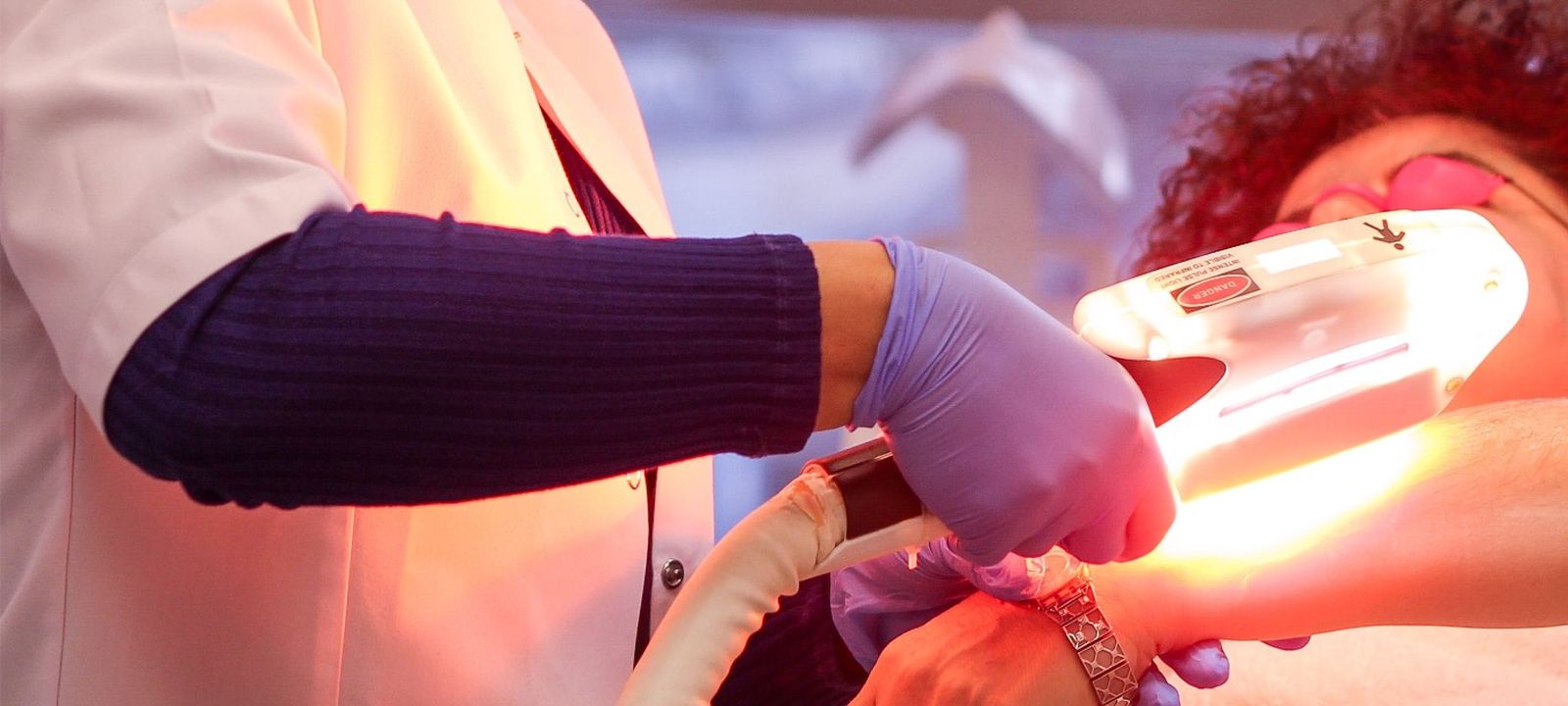
You lie under a panel or mask of light-emitting diodes for a set time. Different colours (wavelengths) of light are absorbed by skin cells and are thought to trigger different responses. Unlike lasers or IPL, LED doesn’t heat or damage the skin.
Red, blue and near-infrared light
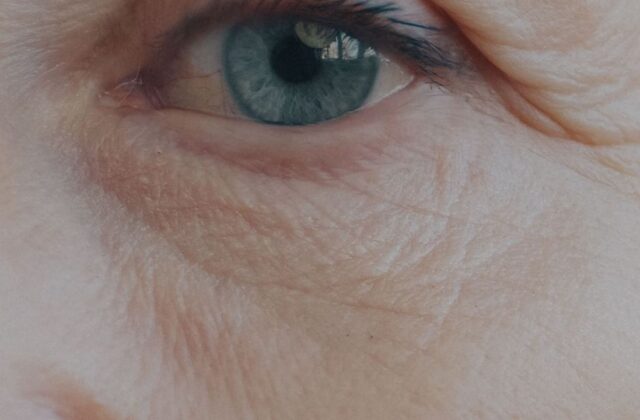
- Red light is used to support collagen, calm inflammation and improve overall skin tone. Often chosen for fine lines and dull skin.
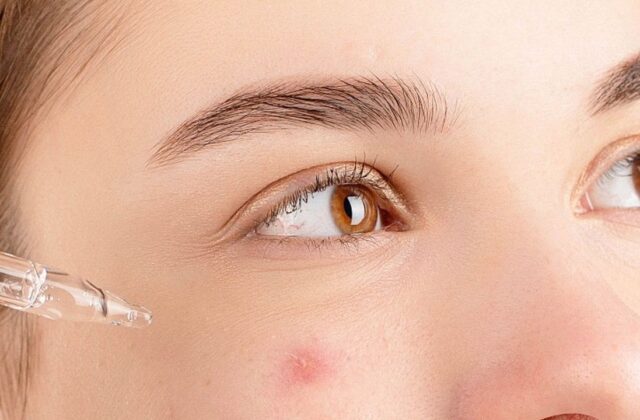
- Blue light targets the bacteria involved in acne and is used for mild to moderate breakouts.
- Near-infrared light penetrates deeper and is used to support healing, for example after microneedling, peels or laser.
- Some devices also use yellow or amber light for redness and sensitivity.
Does it work?
There’s reasonable evidence for blue light in mild acne and for red and near-infrared light in supporting healing and skin quality. Results are subtle and build over a course of sessions, so LED works best as part of a wider skin plan rather than a stand-alone fix.
Is it safe?
LED is considered very low-risk for most people. You’ll be given eye protection. Tell your therapist if any of the following apply, as LED may not be suitable:
- Epilepsy or sensitivity to light
- Taking medicines that make you sensitive to light (some antibiotics, acne tablets and others)
- A history of skin cancer
- Pregnancy (many clinics prefer to avoid it as a precaution)
Clinic or at-home masks?
Professional devices are usually more powerful than home masks, so each session delivers more light in less time. Good-quality home masks can be useful for maintenance between treatments if you’re consistent. Choose reputable brands with clear safety information.
How much does LED therapy cost in the UK?
Stand-alone LED sessions typically cost £30 to £80. Many salons add LED to a facial for £15 to £30 extra, and offer discounted courses of six to twelve sessions.
Find LED light therapy near you
Browse facial and skin specialists who offer LED, either on its own or as part of a facial.
Frequently asked questions
How often should I have LED light therapy?
A common plan is one to three sessions a week for four to six weeks, followed by occasional maintenance sessions.
Does LED light therapy help acne?
Blue light can help reduce mild to moderate acne by targeting acne-causing bacteria. It works best alongside a good skincare routine or medical treatment.
Can LED therapy damage your eyes?
The light is bright, so clinics provide eye protection or goggles. With proper eye protection, it is considered safe.
Is red light therapy good for wrinkles?
Red light may help support collagen and improve fine lines and skin tone over time, but results are subtle compared with treatments such as microneedling or laser.
Is LED good after other treatments?
Yes. LED, especially near-infrared and red light, is often used straight after microneedling, peels or laser to help calm the skin and support healing.
Are at-home LED masks worth it?
They can help with maintenance if used consistently, but they are usually less powerful than professional devices, so results take longer.
This guide is general information to help you understand the treatment and ask the right questions. It isn’t medical advice. Prices are typical UK ranges in 2026 and vary by clinic, area and the product used. If you have a skin condition, are pregnant or take regular medication, speak to your GP or a qualified practitioner first.